

For companies developing functional ingredients and foods, a promising technology or compelling product story may no longer be enough. Understanding what a product contains, how it works and what evidence supports its benefits can add significant value — and create new opportunities for collaboration between industry and academia.
Food innovation is producing novel ingredients, fermentation technologies, bioactive compounds and new processing approaches. But as these technologies move towards the market, different questions emerge: What is the nutritional value? Which molecules contribute to functionality? Are they bioavailable? What are the potential mechanisms of action? And what evidence supports the intended application or claim?
A more informed and questioning consumer
Consumers also have greater access to information about nutrition, ingredients and emerging food technologies. EIT Food’s 2026 Trust Report found that younger European consumers are the most open to food innovation. Yet trust matters: 38% of consumers with high trust in the food system were open to innovation, compared with only 6% among those with low trust. A new technology may therefore attract attention, but consumers still need credible reasons to trust the product behind it. The same applies to sustainability. Environmental claims increasingly require substantiation rather than broad statements. In the UK, the CMA Green Claims Code requires businesses to support environmental claims with robust, credible and up-to-date evidence.
Where industry and academia can meet
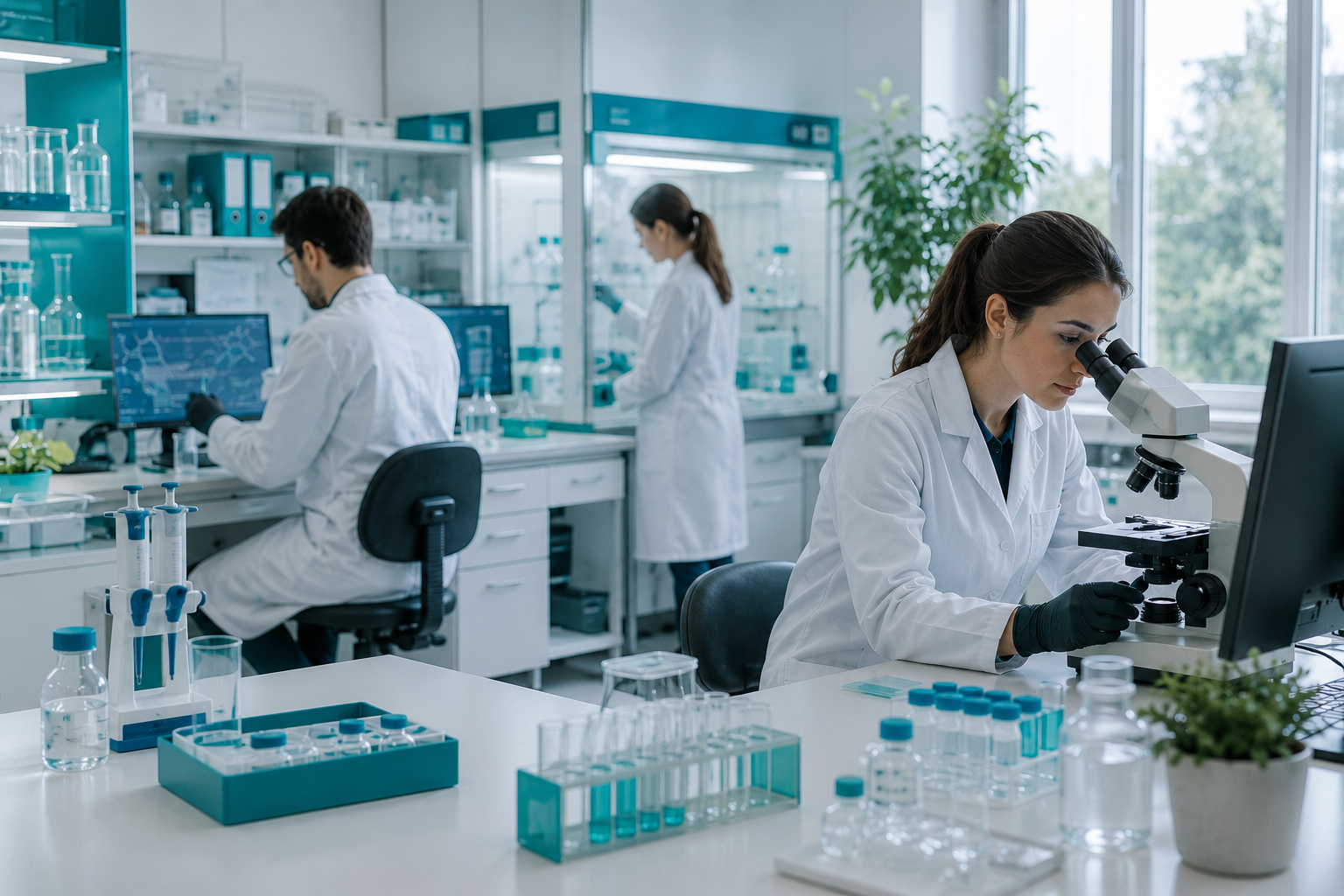
This growing need for evidence creates a natural space for closer collaboration. Universities and research organisations bring expertise in analytical chemistry, molecular characterisation, nutrition, microbiology, omics, digestion models and clinical research. Industry brings knowledge of manufacturing, consumers, regulation, cost and commercial feasibility. Together, they can answer questions that neither side is as well placed to address alone. For a novel functional ingredient, this could mean characterising proteins, peptides, fibres or metabolites; investigating biological mechanisms and bioavailability; assessing nutritional properties; or, where appropriate, progressing towards human studies.
Developing evidence and products together
This changes the traditional idea of research translation. Rather than academia developing a technology and then handing it to industry, researchers and companies can develop the evidence and the product together.
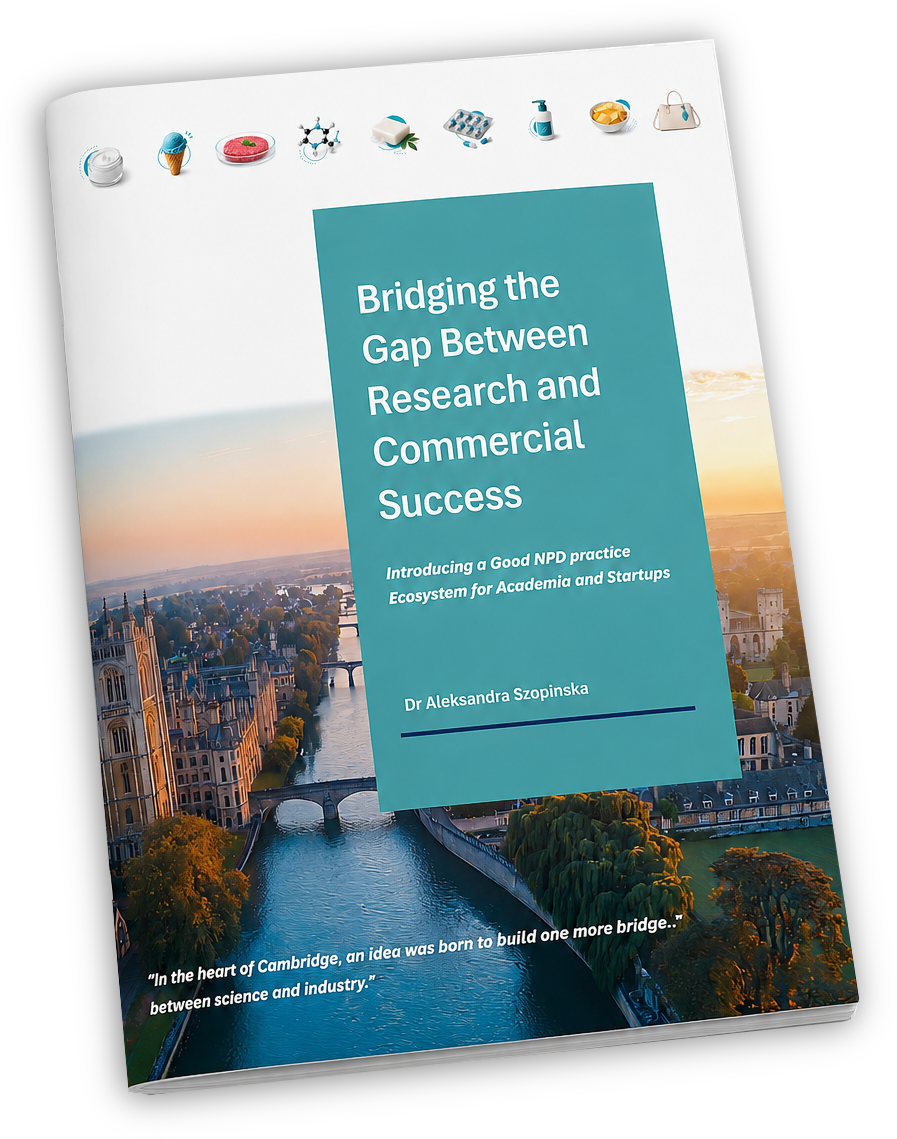
Doing this effectively also requires people who understand both environments. Translational skills and a strong understanding of new product development (NPD) are crucial for turning scientific knowledge into commercially relevant innovation and enabling researchers and industry teams to communicate effectively.
This is an area we focus on at ClearGate Academy, helping researchers and innovators develop the translational and NPD skills needed to connect scientific discovery with real product development.
As food innovation becomes more sophisticated, the question is no longer simply “Can we make it?” but increasingly “What value does it deliver, and can we demonstrate it?” That question could bring industry and academia much closer together.
Sources & further reading
European Commission – Nutrition and Health Claims
EIT Food – Trust Report 2026: Trust in Innovation
Competition and Markets Authority – Green Claims Code
Author: Dr Aleks Szopinska