


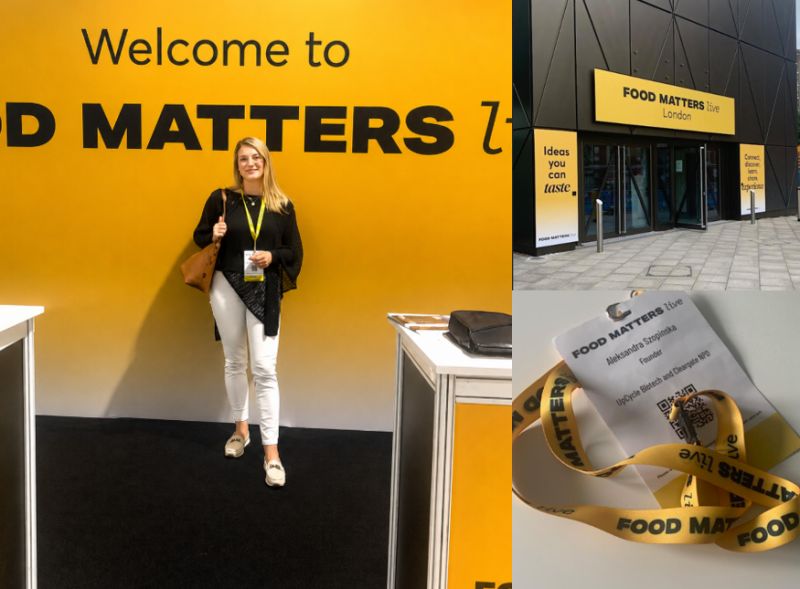
Food Matters Live London 2026: Five Trends Shaping the Future of Food Innovation
Food Matters Live London once again provided an excellent opportunity to take the pulse of the food innovation sector. While the exhibition showcased a diverse range of technologies and ingredients, several clear themes emerged that highlight where the industry is heading.
Upcycling Moves into the Mainstream
Perhaps one of the most encouraging developments was the growing presence of companies demonstrating commercially viable upcycling solutions. The transformation of side streams and co-products into valuable food ingredients is no longer a niche concept but is becoming an increasingly important part of sustainable food production.
Established leaders such as Duynie continue to demonstrate what is possible through circular valorisation, while innovative companies including Banana Cph, Revyve, and Fermtech showcased exciting new applications, with Fermtech’s Koji Cocoa standing out as an excellent example of creative ingredient development.
Nutrition in the GLP-1 Era
The rapid rise of GLP-1 medications is already influencing food innovation. As consumers become more aware of changing nutritional needs, companies are developing products that support satiety, increased protein intake, and improved metabolic health.
Among the exhibitors, Rousselot highlighted its collagen peptides, supported by an expanding body of preclinical and clinical research, reflecting the growing interest in evidence-based nutritional solutions for this emerging market.
Plant Proteins Continue to Mature
Plant-based innovation is entering a new phase. Rather than simply replicating animal-derived products, the emphasis is shifting towards delivering superior taste, texture, functionality, and overall consumer experience.
Equally important is the connection with regenerative agriculture and more sustainable sourcing practices. Discussions with companies such as Bunge demonstrated the significant progress being made in developing the next generation of plant protein ingredients.
The Ultra-Processed Foods Debate Remains Complex
Few topics generated as much discussion as ultra-processed foods (UPFs). Public awareness continues to grow, yet there remains considerable uncertainty around definitions and interpretation.
A clear distinction still needs to be made between highly engineered products with poor nutritional profiles and foods that undergo processing to improve safety, functionality, shelf life, or nutritional value. The industry would benefit from a more balanced, science-led conversation that moves beyond simplistic classifications and focuses on overall health outcomes.
Mycelium Proteins Gain Further Momentum
Alternative proteins continue to diversify, with mycelium attracting increasing attention. Companies including The Protein Brewery and Tempty Foods demonstrated how fungal fermentation can deliver sustainable, high-quality protein ingredients with strong functional and nutritional credentials.
As production technologies continue to mature, mycelium is positioning itself as an important contributor to the future protein landscape.
Finding the Right Balance
Across the conference sessions, exhibition floor, and numerous conversations, one overarching message became clear: the food industry is striving to balance four critical priorities—health, sustainability, affordability, and consumer acceptance. Future success will depend on achieving all four simultaneously rather than optimising one at the expense of the others. As the pace of innovation continues to accelerate, partnerships between science, industry, and investment communities will be essential in shaping a healthier, more sustainable future for food.
Author: Dr Aleks Szopinska